How to Buy Music Gear Online Without Wasting Money
Start With What You Actually Need
Every musician I know has a closet full of gear they barely touch. A friend spent six hundred dollars on a boutique compressor plugin bundle before he owned a decent microphone. That is the wrong order. If you want to buy music gear and not regret it later, you have to separate desire from necessity. The internet makes it easy to get carried away. One click and a shiny piece of hardware is on its way. But the best purchases come from honest self-assessment. What do you need to finish your next track? What will you use every session? Start there.
The used market is your friend. Reverb and Sweetwater have huge inventories, but local listings on Guitar Center and private seller groups often yield better deals. I have bought a Shure SM58 for forty dollars less than retail just because I waited a week and refreshed a page. The same goes for cables, stands, and even higher-end gear like the Universal Audio Apollo Twin. Patience pays. When you buy music gear used, you stretch your budget further and often end up with something that was built better than the current entry-level options.
Know Your Core Categories
Gear falls into a few buckets, and each has its own buying logic. Microphones, for example, are incredibly personal. A Neumann U87 is a studio standard, but it might sound too bright on your voice. An AKG C414 is versatile, but it requires a quiet room to shine. You can read reviews for weeks, but nothing replaces hearing a mic through your own headphones. That is why I always recommend renting or borrowing before you buy music gear in the microphone category. It saves you from a costly mistake.
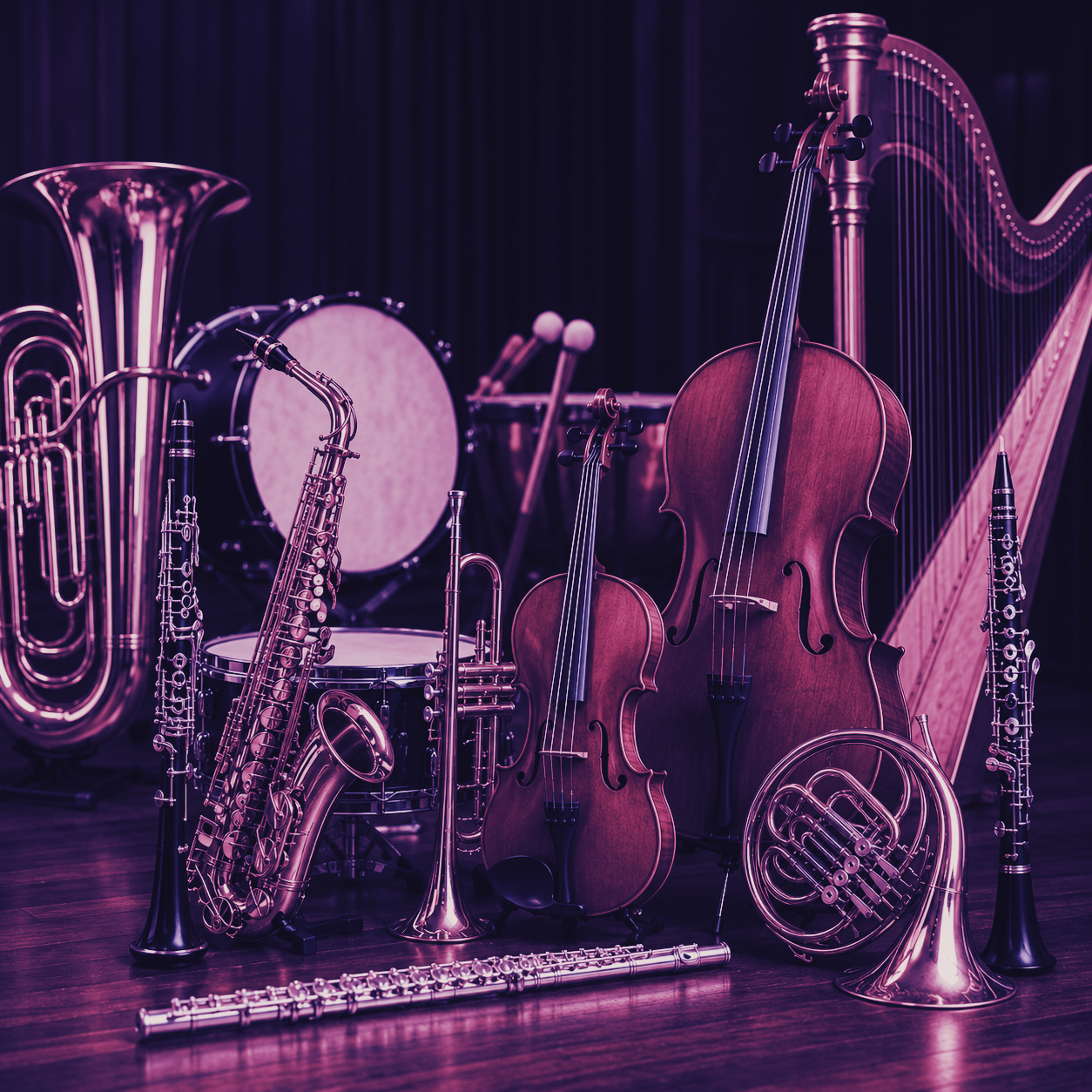
Instruments like the Gibson and Fender lines hold their value better than most consumer electronics. A used Gibson Les Paul might cost a thousand dollars today and still be worth eight hundred in five years. The same is not true for a budget brand. If you buy a Fender Telecaster or a Gibson SG used, you are buying a tool that will last decades with basic care. The same logic applies to drums. Zildjian cymbals are expensive new, but the used market is deep because drummers upgrade slowly.
Synthesizers, Drum Machines, and the Vintage Trap
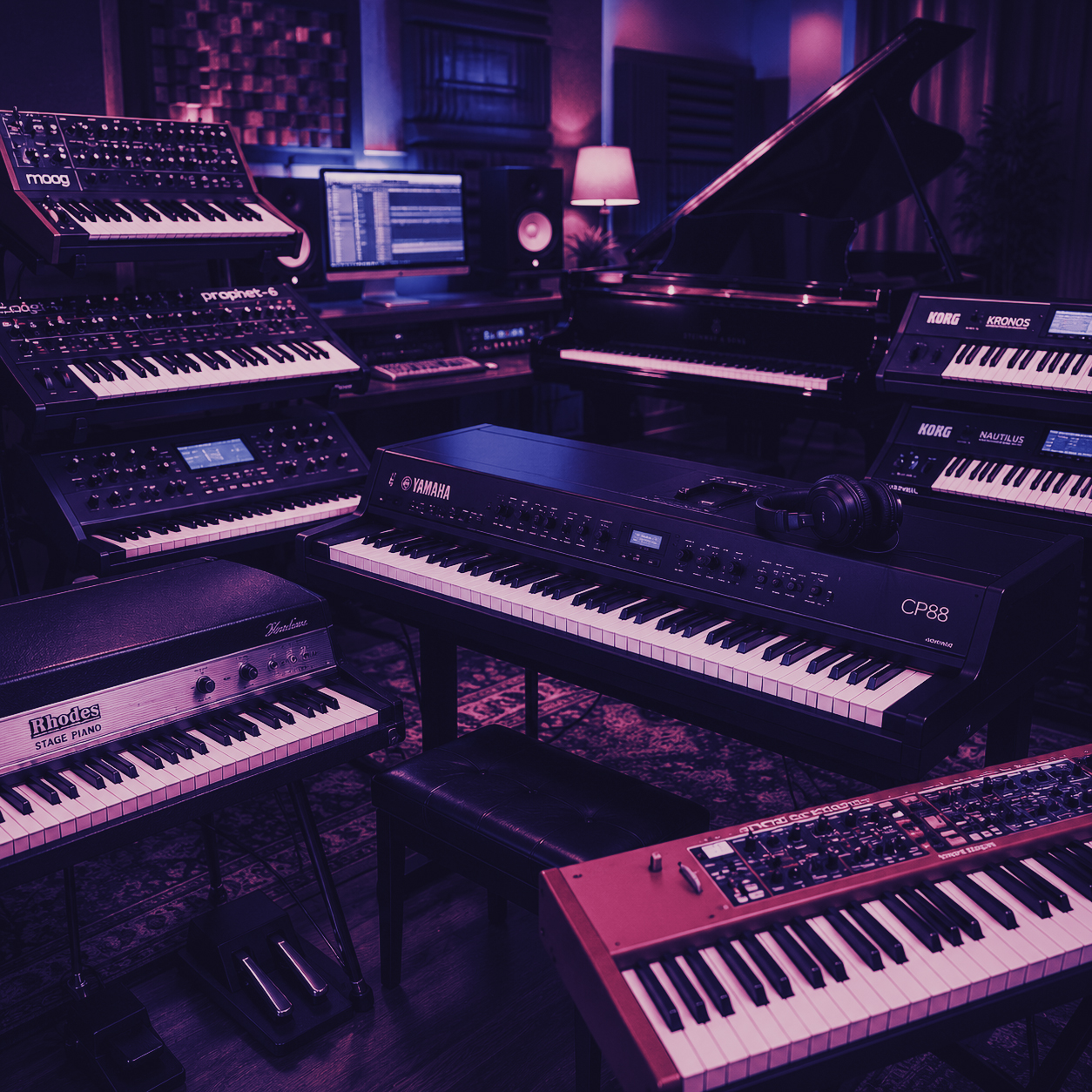
The Roland TR-808 is legendary. So is the Moog Synthesizer. But chasing vintage gear blindly can empty your wallet. A friend of mine spent three thousand dollars on a vintage Moog only to find out the calibration drifted and the keys needed replacing. He could have bought a modern reissue with a warranty for half the price. Vintage gear has character, but it also has quirks. If you are not a technician, factor repair costs into the total. Sometimes the smart move is to buy music gear that is new but inspired by the classics. Modern clones of the TR-808 and the Moog sound close enough that most listeners cannot tell the difference in a mix.
Drum machines are a similar story. The Roland TR-808 is iconic, but the newer Roland TR-8S gives you more flexibility and reliability. The same goes for synthesizers. If you want a Moog sound but cannot afford the real thing, look at Behringer or Arturia. They are not the same, but they are good enough for most productions. The key is to know when vintage matters and when it is just nostalgia.
Software vs. Hardware: The Real Trade-Off
Pro Tools, Ableton Live, Logic Pro, and FL Studio are the big four DAWs. Each has a different workflow. Logic Pro is fast and intuitive. Ableton Live is built for electronic music and live performance. Pro Tools is the industry standard for tracking and mixing. FL Studio is popular in hip-hop and beat-making. You do not need all of them. Pick one and learn it deeply. I have seen beginners buy every DAW on sale and then never finish a single song. That is a waste of money and time.
Plugins are another trap. Universal Audio makes excellent emulations of classic hardware, but their price adds up fast. A bundle of five plugins can cost more than a decent microphone. Be selective. If you only record vocals, you do not need ten compressor plugins. One good one, like the Universal Audio 1176 or a quality stock compressor in your DAW, will do the job. The same goes for instrument plugins. Ableton Live has a great stock library. So does Logic Pro. Use those first. Buy additional plugins only when you hit a limitation you can name.

Headphones and Monitoring
You cannot mix what you cannot hear. A good pair of headphones is worth more than an expensive microphone if your room is untreated. Beyerdynamic and Sennheiser make reliable options. The Beyerdynamic DT 770 Pro is a closed-back classic for tracking. The Sennheiser HD 600 is open-back and great for mixing. Neither is cheap, but they last for years. I have had my Beyerdynamic DT 770 Pros for six years. The only thing I replaced was the ear pads. That is value.
Studio monitors are a bigger investment. Cheap monitors exaggerate bass and hide problems. If your budget is tight, buy a used pair of Yamaha HS7s or KRK Rokits and pair them with good headphones. That combination covers more ground than a single expensive pair of monitors in a bad room. And never forget room treatment. A few panels on the walls will improve your sound more than upgrading from a Shure SM58 to a Neumann U87. That is not hyperbole. It is physics.
Where to Buy and What to Watch For
Reverb and Sweetwater are trustworthy. Guitar Center has physical stores where you can try gear. Thomann is great for European buyers because shipping and customs are handled. But each platform has pitfalls. On Reverb, check the seller's return policy. Some used items are sold as-is. Sweetwater offers excellent customer service and a return window, but their prices are usually retail. Guitar Center's used section is hit or miss. I once found a mint condition AKG C414 for half the retail price. Another time I received a broken cable. Inspect photos carefully and ask questions before you pay.
When you buy music gear from private sellers, use PayPal Goods and Services or a credit card. Never send cash or use friends and family. A seller who insists on those methods is a red flag. Also, watch for counterfeit gear. Shure SM58s and Neumann U87s are frequently faked. Check serial numbers, compare logos, and read the listing details. If the price is too good to be true, it probably is.
Final Thoughts on Building Your Rig
There is no perfect gear list. A professional studio might have a Neumann U87, an Apollo Twin, a Moog Synthesizer, and a wall of Gibson and Fender guitars. But a bedroom producer can make a hit record with a Shure SM58, a used Fender Telecaster, and Ableton Live. The gear matters less than your skill and your ears. The smartest thing you can do is buy used, buy only what you need, and spend the rest of your money on lessons or room treatment. That approach will save you thousands over a lifetime of making music.